What To Eat← Back to home
Croissant
French Cuisine ↗

Croissant

★★★★4.9· 521 ratings
·Serves 8
About this Dish

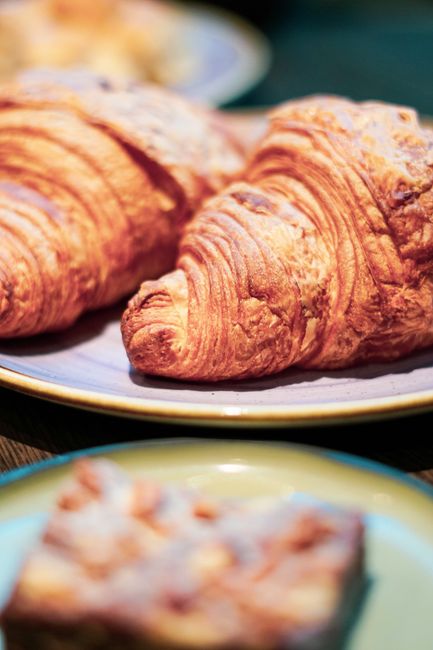
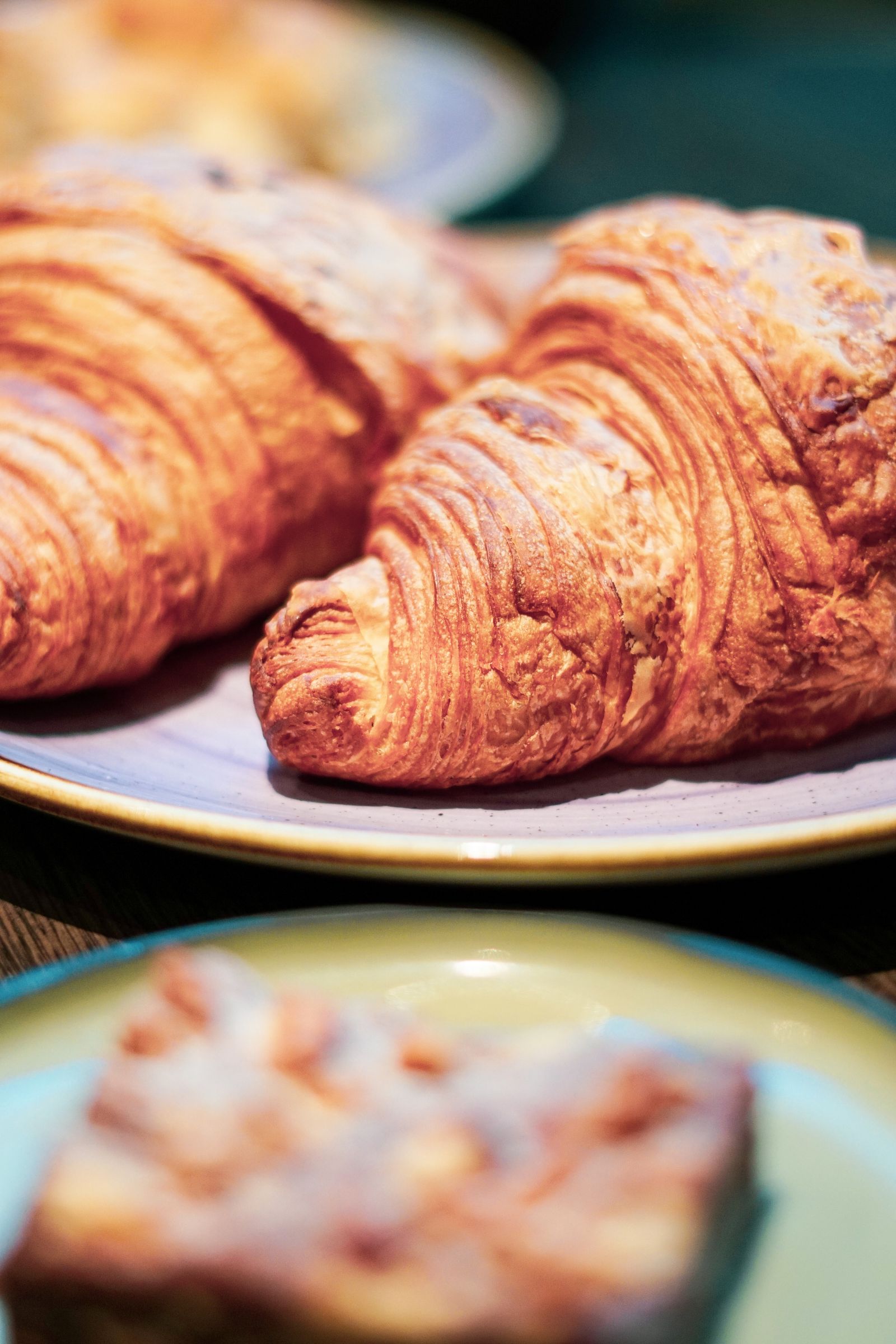
The pinnacle of French pastry — hundreds of paper-thin buttery layers that shatter at first bite, golden and deeply flavoured.

History & Origin

The croissant is Austria's gift to France — the crescent-shaped pastry was created in Vienna, not Paris. The kipferl, a crescent-shaped bread, has been made in Austria since the 13th century. Austrian officer August Zang opened a Viennese bakery in Paris in 1838-1839, introducing the laminated dough technique to French bakers who refined it into the croissant. The shape represents the crescent on the Ottoman flag — a reference to the Battle of Vienna in 1683. Today the croissant is so associated with France that Parisians consider it their national breakfast, despite its Austrian origins. Lune Croissanterie in Melbourne, Australia has been named by multiple publications as producing the world's best croissant.

IngredientsServes 8
🌾Strong white bread flour, 500g
🧈European butter (84% fat), cold, 280g
🥛Whole milk, warm, 300ml
🫧Fresh yeast, 15g
🍬Caster sugar, 50g
🧂Fine salt, 10g
🥚Egg, for egg wash, 1
Method
1
Make the dough by combining flour, salt, sugar and yeast. Add warm milk and mix until a rough dough forms. Knead for 5 minutes until smooth. Refrigerate overnight.
2
Beat the cold butter into a flat 20cm square between two sheets of baking paper. Both the butter and dough must be the same cold temperature — this is critical.
3
Roll the dough into a rectangle. Place the butter block in the centre and fold the dough over it like an envelope. Roll out to a long rectangle and fold into thirds. This is one fold. Refrigerate for 30 minutes.
4
Repeat the rolling and folding 5 more times, resting in the fridge for 30 minutes between each fold. The dough becomes increasingly layered with each fold.
5
Roll the finished dough to 4mm thick. Cut into long triangles and roll from the base to the point. Curve into a crescent shape and place on lined trays.
6
Prove at 24-26°C for 2-3 hours until visibly puffy and wobbly when shaken. Brush with egg wash. Bake at 190°C for 18-20 minutes until deeply golden.
What Makes it Authentic

Use 84% fat European butter. The butter block and dough must be the same temperature. Never rush the fridge rests between folds. Prove at exactly 24-26°C until visibly wobbly.


User Reviews
No reviews yet — be the first!
Sign in to leave a review
Members can create lists, save favourites and get recommendations.
Find the Best Croissant Near Me
AI-powered — Google, TripAdvisor and food blogs
🔥 Viral Recipes
How the world's most famous chefs — and creators — make this dish
AuthenticMinor changesSignificant changes
🌍 Food Vlogs
Food vloggers eating and cooking it at the source
🌍
No videos yet
What To Eat
The World's Food Guide

© 2025 What To Eat · hello@whattoeat.world