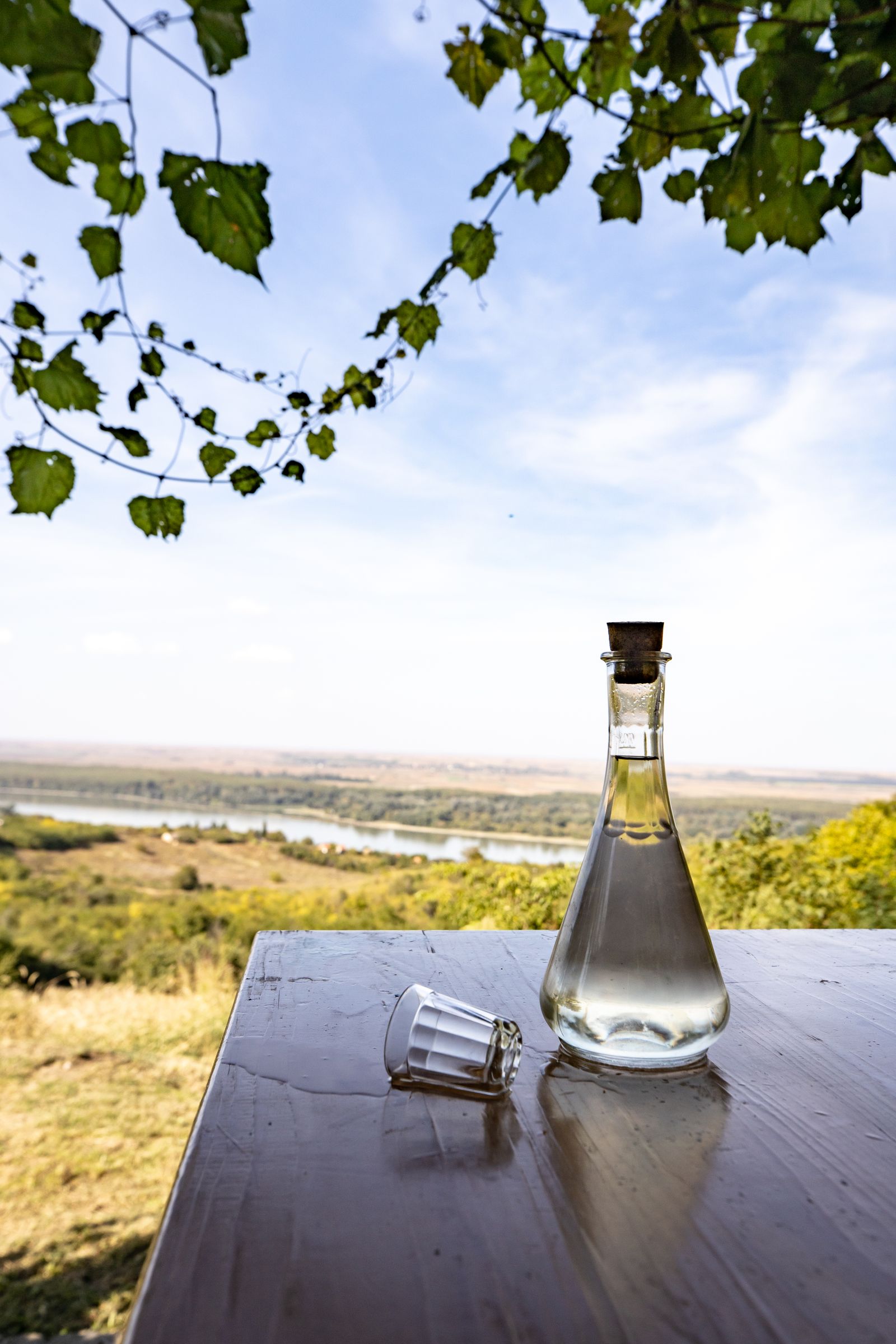
About this Dish
Hungary's fiery fruit brandy — distilled from plums, apricots, pears, cherries or quince, aged in oak or drunk young. Legally protected — only fruit brandy from Hungary and certain neighbouring regions can be called palinka. Drunk as a shot before meals, after meals, as a greeting and as a farewell. Offering palinka to a guest is an expression of friendship and respect. Hungarian life punctuated by palinka.
IngredientsServes 1
🍑Ripe apricots, 10kg pitted and roughly chopped
💧Spring water, 1-2 litres if needed to loosen mash
🧪Wine yeast (Turbo or fruit yeast), 10g packet
🍬Sugar, 500g (only if fruit is underripe — ripe fruit needs none)
🫙Large food-grade fermentation vessel, 20-25 litre capacity with airlock lid
🌡️Campden tablets (potassium metabisulphite), 2 tablets crushed
🪵Small oak chips, 50g toasted (for home ageing, optional)
🍶Glass demijohn or clean glass bottles for storing finished spirit
Method
1
Wash and pit the apricots thoroughly, then mash them by hand or with a potato masher into a thick pulp inside your fermentation vessel — do not blend them smooth, as the chunky texture helps fermentation. Add the crushed Campden tablets, stir well, and leave uncovered for 24 hours to kill wild yeasts.2
After 24 hours, sprinkle the wine yeast over the mash and stir it in thoroughly. If the mash looks very thick and dry, add a little spring water to loosen it slightly, but keep the mixture as concentrated as possible for stronger flavour.3
Seal the vessel with an airlock lid and store it in a warm spot around 18-22°C. Fermentation will begin within 1-2 days — you will see bubbling through the airlock. Stir the mash gently once daily for the first week to prevent a dry crust forming on top.4
Fermentation is complete after 2-4 weeks when bubbling through the airlock stops completely and the mash smells sharp and alcoholic rather than sweet. At this point your wash is ready — in Hungary this fermented mash would be taken to a licensed palinka distillery for distillation, which is the legal and traditional home method.5
For home distillation where legally permitted, run the fermented mash through a pot still twice — discarding the first small 'foreshots' (roughly 50ml per 10 litres) which contain methanol and harsh compounds. Collect the heart of the run, which flows at around 60-70% ABV, and discard the thin watery 'tails' at the end.6
Dilute your fresh spirit down to 40-50% ABV by slowly adding cold spring water and tasting as you go — true palinka should burn warmly but smoothly, not harshly. For young palinka, bottle immediately and rest for 2 weeks before drinking; for oak-aged palinka, add toasted oak chips to a glass demijohn and leave for 3-6 months, tasting monthly.7
Serve in small tulip-shaped palinka glasses at room temperature — never chilled, never mixed. Raise your glass, say 'Egészségére' (to your health), and drink in one confident, respectful sip.User Reviews
No reviews yet — be the first!
Sign in to leave a review
Members can create lists, save favourites and get recommendations.
Find the Best Palinka Near Me
AI-powered — Google, TripAdvisor and food blogs
🔥 Viral Recipes
How the world's most famous chefs — and creators — make this dish
mikloszrinyi
21.3K views
🌍 Food Vlogs
Food vloggers eating and cooking it at the source
🌍
No videos yet
What To Eat
The World's Food Guide
© 2025 What To Eat · hello@whattoeat.world