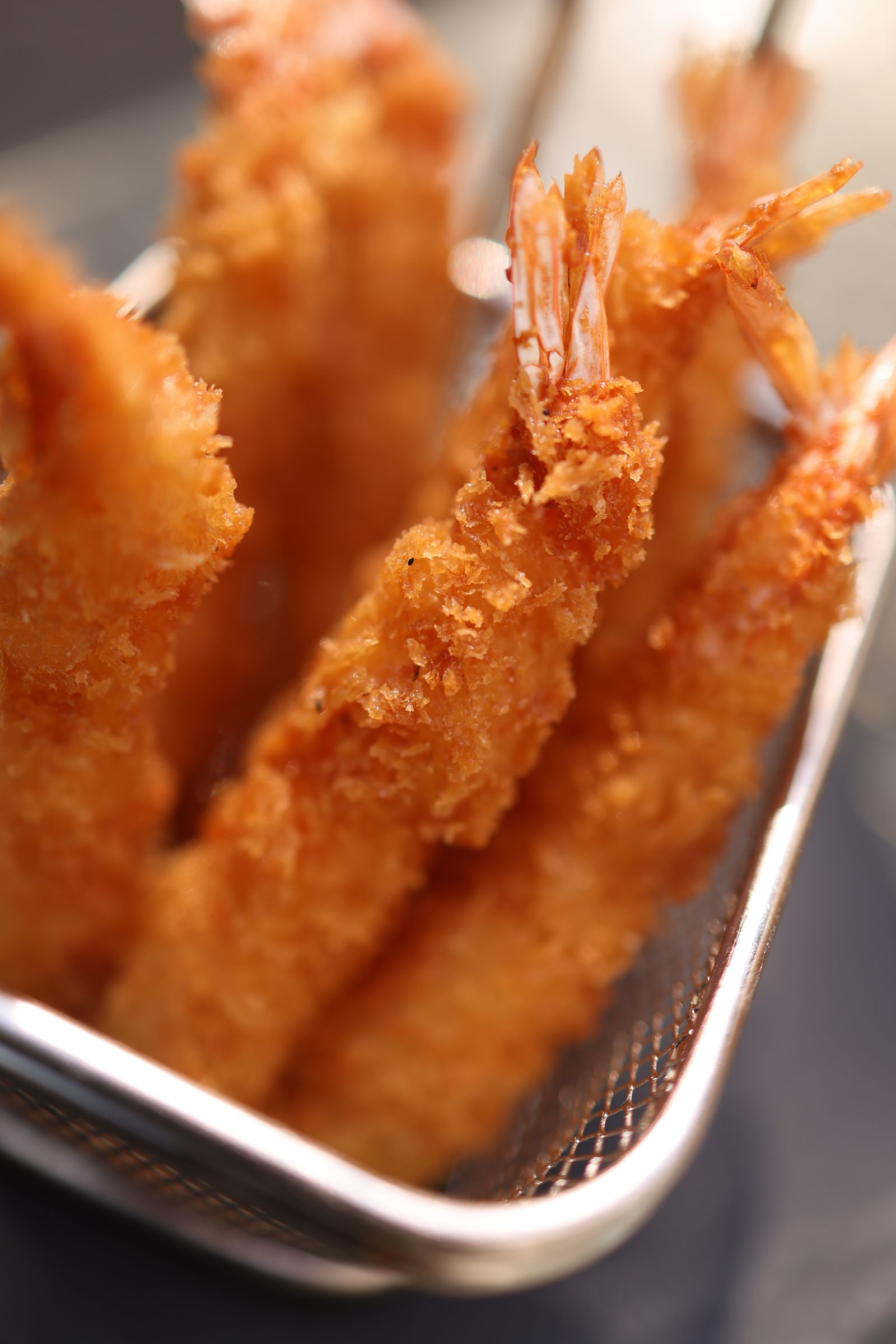
Impossibly light battered and fried seafood and vegetables, served with a delicate dipping broth.
Tempura was introduced to Japan by Portuguese Jesuit missionaries in the 16th century. The word comes from the Latin quatuor anni tempora, referring to the Ember Days when Catholics abstained from meat and ate battered and fried vegetables and fish. Japanese chefs adopted the technique and refined it into something far lighter than its European origin. The key innovation was using ice cold water and low-gluten flour, creating a batter so thin it barely coats the ingredient. By the Edo period, tempura was sold from street stalls along the Sumida River in Tokyo. Today the finest tempura restaurants in Tokyo have Michelin stars and charge hundreds of dollars for a meal cooked one piece at a time in front of the diner.
The batter must be made with ice cold water and mixed minimally — lumps are essential. Never overmix or the gluten develops and the batter becomes heavy.

© 2025 What To Eat · hello@whattoeat.world